Katy rebuilds her life and a safe home for her daughter

I was married for three years. When the relationship began, I had inherited $100K from my mother — money I had no idea would disappear so quickly. My husband wasn’t a New Zealander at the time we met, and I helped him get his residency.

This is Katy’s story, edited to keep her safe and help you read. Names have been changed.

I worked as a personal trainer, and many of my clients paid in cash. Throughout our relationship, money would go missing from my purse. He also used my credit card to buy things for himself without my knowledge and regularly sent money overseas for his first child.

When things weren’t going well for him, he would give me the silent treatment, start screaming or smashing things. Sometimes I had to leave the house with our daughter because it got too much. Over time, the abuse escalated to threats and physical harm.

“Around two years ago, he decided to purchase a brand-new car and arranged an $80,000 loan through UDC Finance. What I didn’t know then was that he had taken out the entire loan in my name, without my knowledge or consent. He used my passport ID and even forged my signature. All the paperwork went to his email, so I didn’t know anything about it until much later.”

The repayments were extremely high, and we struggled to pay them. We had a joint account for household bills, but he would limit how much he put in. I ended up covering most of the rent, food, and our daughter’s daycare fees with my money. Things became harder and harder; eventually, he stopped paying the car loan altogether.

“One day, he told me to call UDC Finance and ask them to reduce the payments. I said I couldn’t because the loan was in his name — and that’s when he admitted it actually was in my name, as he had bad credit. I was shocked and devastated. When I asked him to fix it and remove my name, he constantly refused. Not long after, our relationship finally broke down.“

The day he left, I went to buy a $7 pizza for my daughter and me. My card declined. The man behind the counter quietly handed it to me and said, “Come back and pay when you can.” That same day, my ex drained the remaining money from our joint account.

About a month later, he returned and assaulted me. I was left bruised, terrified, and genuinely unsure if I would survive that night. It was one of the darkest moments of my life.

I was supported by Shine and the Police. I got a Protection Order, and the Police installed a Police Safety Alarm at my home.

While trying to recover emotionally and rebuild life as a single mum, I also had to deal with the financial damage he caused. UDC Finance advised that the loan was legally in my name and that if I wanted to keep the car, I would have to take responsibility for it – but he had the car, and I was scared of what he might do if payments weren’t made. He left me with debt, and I was struggling to afford food and basic living costs for myself and my daughter.

That’s when I found Good Shepherd and spoke with Vanessa. From our first conversation, she was kind, understanding, and genuinely wanted to help.

“She contacted UDC Finance on my behalf and managed to have the loan completely removed from my name. She also supported me with emergency funds for food when the final car payment came out of my account by mistake, leaving me with no money at all for groceries.”

Thanks to Vanessa and to Good Shepherd, that heavy debt and the constant anxiety finally lifted. I can now focus on rebuilding my life and creating a safe, stable home for my daughter.

I will always be deeply grateful for their support and compassion. Without them, I would still be trapped under that loan and the stress it created.

“Thanks to Vanessa and to Good Shepherd, that heavy debt and the constant anxiety finally lifted. I can now focus on rebuilding my life and creating a safe, stable home for my daughter.”
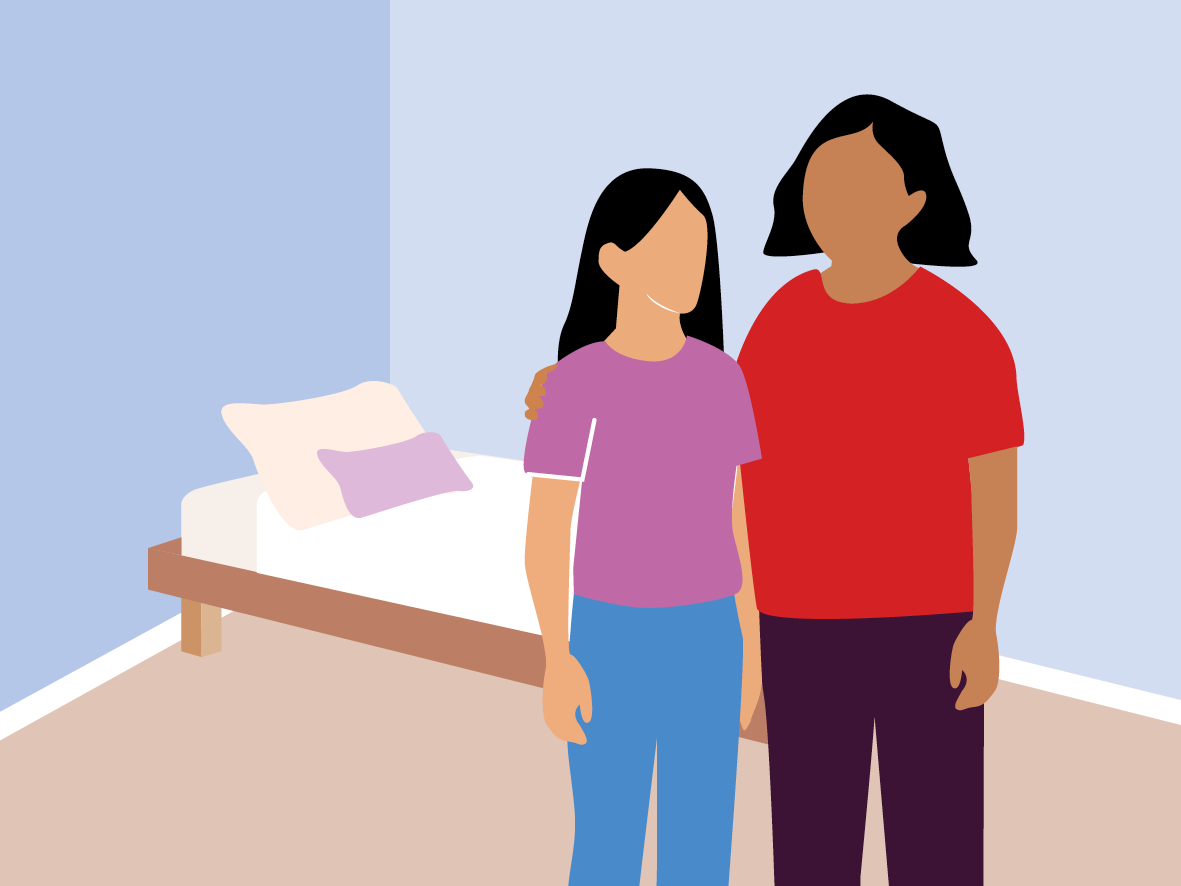
A bed helped Josephine’s niece sleep, think and re-set

Josephine offered a safe home for her niece after experiencing family violence. A grant helped provide a bed of her own, helping everyone sleep and re-set.

Josephine’s* teenage niece turned up on her doorstep one day following incidents of family violence in the extended family. Her niece had nowhere else to go and needed a safe place to stay.

Josephine knew first-hand what that felt like, so she didn’t hesitate. Even though the house was already full and the budget thin, she welcomed her niece in.

Josephine is a solo mum to two kids, already struggling to cover the power bills, lunches, petrol and whatever unexpected costs pop up next. There were no spare beds and no spare rooms.

Her niece slept on the couch and some nights Josephine’s own kids swapped places so their cousin could have a proper sleep in a real bed. Everyone was adjusting and making it work – but Josephine could see that her niece needed some space to heal and breathe without feeling like a burden.

She tried finding support to help cover the cost of a bed, but she was told she didn’t qualify. A bed shouldn’t feel like an impossible expense, but it was. That’s when she contacted Good Shepherd.

We could see that the health and wellbeing of a teenager in a vulnerable situation was at stake. Good Shepherd approved a $300 emergency grant so Josephine could buy a bed. Now her niece has one little piece of space to sleep, think, rest and reset. The house feels calmer. Everyone sleeps.

Sometimes, even a small thing can make a huge difference in the lives of a whole family.

*name has been changed

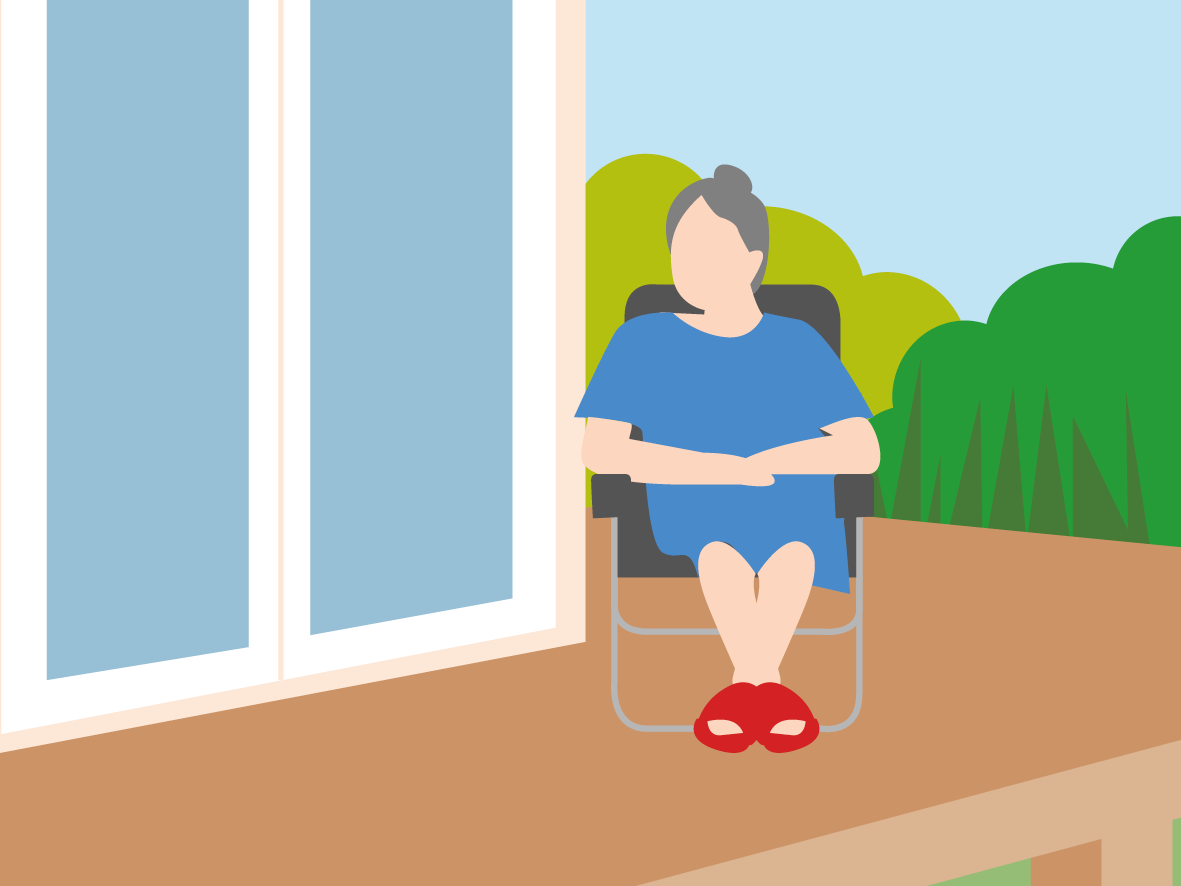
Judy opened up her world to the outdoors

Being unable to make her small outdoor space safe for her mobility issues made it hard to access without high risk of a fall. A grant helped open Judy’s world up again, enabling her to enjoy some fresh air and sunlight.

Judy is a single, older woman, in supported living social housing with limited living space. She has mobility issues that mean travel is difficult and home is where she spends most of her time. Judy has a little outdoor space, but the ground is uneven, making it a high risk for falling and not safe to use.

Out of desperation, Jenny made a makeshift structure to provide some shelter. But this didn’t solve the safety risk, wasn’t legal and the social housing landlord said it needed to come down. However, at Judy’s request they provided special approval for her to install a small deck.

Judy approached a builder who agreed to do the work at a very reasonable price. But when she enquired about a loan, the numbers didn’t work and it was considered unaffordable.

Judy contacted Good Shepherd who recognised the safety risk to Judy and the impact a safe outdoor space could have on her overall quality of life and wellbeing.  A $1,100 grant helped install a small deck covered with a pergola for some shade.  

It transformed how she could make the best use of her home and enabled her to enjoy a cuppa in fresh air with some sunlight, safely. Jenny is over the moon, finally able to enjoy the space come rain or shine.

*name has been changed

Maria gets a car just in time for her new baby

Quick thinking and an interim grant enabled Maria to afford a loan for a car. This made sure she could get to the hospital for her new baby and support her kids’ throughout.

Maria was nearly 40 weeks pregnant with her baby due any day. She was under stress caring for several children already while waiting for the birth of her third. She desperately needed a reliable car to ensure she could get to the hospital safely and for ongoing transport for her children.

On top of all that, she had been left with a $1,600 debt with a telecommunications company caused by a previous partner. She hadn’t been able to pay it, and it had been sent to a collection agency.

Maria needed a car for her family. But the reality was the coerced debt was preventing her from being able to get, or afford, a loan. With a baby nearly here and time of the essence, Good Shepherd worked quickly to find a solution. We determined that Maria was eligible for an immediate hardship relief grant to cover the coerced debt. That tipped the scales in her favour to afford a car loan. A $5,000 loan was issued immediately, helping her get a car before the baby arrived.

While the car loan was being sorted with the guarantee of a grant, the grant itself was held. This bought some time for our Family Violence team to work with the telco on Maria’s behalf and undo the unjust debt.

Eventually it was forgiven, making the car loan affordable without the need for the grant. Good Shepherd redistributed the funds back into the grants pool, making it available for the next person experiencing significant harm or hardship.

Our Family Violence Economic Harm team didn’t stop here. They also negotiated some assistance with Maria’s bank related to her overdraft, creating even more breathing room for her to care for her new baby and family.

*name has been changed

Car repairs help Hine fuel her fledgling business

Hine was disheartened when her car failed its warrant of fitness. Living rurally meant every trip – to get her mokopuna to school, reach the supermarket, or keep her young business afloat – was a challenge without reliable transport. A grant put her back on the road to financial stability and able to support her whānau.

Hine was recently given custody of her two mokopuna, a life change she hadn’t expected. She was living rurally and in the early stages of a small business when a sudden car repair bill became an impossible hurdle.

For Hine, a car isn’t optional. She needed it to get her grandchildren to school, reach essential services like the supermarket, and sustain her fledgling new small business that was helping her build her way out of a vulnerable situation.

Her business was slowly growing. She had completed courses, sought mentoring, invested in equipment, was planning future growth and building momentum.

When her car failed its warrant of fitness needing new tyres and work on the brakes, the $1,500 bill was far beyond what she could manage.

Hine tried every avenue to solve it on her own, but all doors were closed. Then she found Good Shepherd. We recognised that Hine just needed someone to cut her a break so she could stay on her feet. We provided a grant to help pay the mechanics bill on her behalf.

Once Hine got her car back, the pressure lifted immediately. She could keep her grandchildren in their routines. She was able to continue serving her new clients without losing any business and so she could keep strengthening her ongoing financial stability.

Hine later told us this “lifted a huge burden…and restored a sense of hope and encouragement during a very challenging time”.

Hine carries that kindness with her as she moves forward.

*name has been changed

Anna finds strength beyond relationship and financial abuse

After enduring years in a violent relationship marked by economic abuse, Anna was left with significant debt. Good Shepherd NZ helped her access multiple services and get more than $35,000 of coerced debt waived. Now, Anna is free from that weight and has the space to rebuild her resilience and chart a brighter path forward.

Anna* is single with no children. She was isolated living on a rural farm and had survived a violent relationship that lasted over a decade.  

Women’s Refuge provided support to help Anna get safe including installing a new house alarm. But he had also controlled all her finances, racking up over $35,000 of debt in her name. He had spent money on her credit card, used her fuel card, and obtained a personal loan in her name and used it to go overseas.  

When Anna first came to Good Shepherd NZ she was looking for a no-interest loan to help her work her way out from under that mountain of debt. But our Family Violence Economic Harm team listened to Anna’s situation and recognised that she needed support first.  

Anna had experienced a brain injury as a result of relationship violence. Good Shepherd NZ reached out to the Ministry of Social Development to ensure she was placed on the most appropriate benefit for her circumstances, including securing a financial back payment. Then, we supported Anna to connect with Wayfinders to navigate ACC and confirm she was receiving the right entitlements following her injury. To help Anna plan for her future, we engaged Brain Injury Trust, who provide guidance around her life, work and income.

We also contacted several different banks and credit institutions regarding the coerced debt in Anna’s name. Good Shepherd NZ worked on Anna’s behalf to have the unjust debt waived – over $35,000 in total.

With the right support and freedom from coerced debt, Anna has been able to pause, rebuild her resilience, and begin charting a positive path forward.

* name has been changed

Ariana keeps connected

Ariana’s phone was damaged when she was applying for an interest-free loan from Good Shepherd. A small grant paid for repairs so she could move on with her application and stay in touch with family.

Ariana(*) applied for a Good Loan to help cover some essential new items. Like most of Good Shepherd’s clients, Ariana was using our phone-based service.

As well as having valuable financial coaching conversations, Ariana was using her mobile to work through the loan application process – uploading documents, receiving emails, accessing her bank statements, and gathering other information needed.

When Ariana’s phone broke, she couldn’t continue with her coaching or the application for her much-needed loan. She also needed her phone to manage everyday life. She felt increasingly stressed and isolated.

The Good Shepherd team arranged a grant to cover the cost of repairing the phone. Ariana was able to have repairs completed quickly and get back to her coaching and application. She was relieved to have a working phone to help meet life’s demands and stay connected with friends and whānau.

*name has been changed

Pam’s best friend settles into a new town 

Pam was frightened that not being able to afford her dog’s registration could see her canine companion taken away. A grant helped her register her dog and maintain her wellbeing.

Pam’s* housing is managed by Kāinga Ora. She had to move from one house to another during the Covid-19 pandemic, and has recently been moved again – this time to a new region.

A past brain injury means Pam has issues with anxiety, which affect her more during times of change. Moving twice in the past few years has been hard, and Pam is grateful for the emotional support and companionship offered by her dog, who she describes as her ‘rock’.  

Pam reached out to Good Shepherd for a loan to cover the cost of registering her dog. Dog registration fees were higher in her new town. Pam couldn’t afford to pay the $110 registration and was worried about late payment fees which could take the total to $300. More than anything, she was afraid her dog might be taken away.

A Good Loan wasn’t an option for Pam because the amount she needed is less than the smallest loan offered. The team member supporting Pam explored options and was able to help her apply for a grant from the fund built up by people who support Good Shepherd through donations.

The grant was approved and Pam was ecstatic, noting the huge difference this small gesture will make in her life. With this relief, she now has the mental space to work through other matters impacting her financial situation.

*name has been changed

Supporting Jen to manage debt and start fresh

With a small grant and some help to reduce debt, Jen and her teenage daughter were able to move away from an abusive relationship and look ahead to better days.

When Jen* was diagnosed with a serious and life-changing tumour, the dynamic of her relationship with her partner shifted. He took control of their finances including the support payment she received due to being unable to work. He would not allow Jen to access any money.   

His psychological abuse worsened over time. He wouldn’t let Jen buy anything or drive their car. Jen was forbidden from seeing her friends. With no access to money, Jen got a credit card and kept a bank account hidden from her partner.     

More than ten years passed before Jen was able to leave the relationship. She moved into a one-bedroom flat with her teenage daughter, and was determined to help them both live safely. Jen contacted Good Shepherd to enquire about a loan, but repayments would not be affordable on top of everyday expenses and paying back debt. Good Shepherd’s family violence economic harm support service was able to assist Jen by negotiating with her bank to wipe $7,500 of debt built up during her relationship.    

In their new flat, Jen and her daughter were sharing a bed. They were relieved to have a stable home but it was hard for the two of them to find space. Jen had recently had a surgery which made sleeping in the same bed more challenging. Good Shepherd sought help for Jen from a service that provides furniture for people setting themselves up after leaving abusive relationships. It was hoped they could provide a fold-out couch, but they weren’t able to help this time. The team member supporting Jen applied for a Good Shepherd grant to cover the cost of some furniture.  

With a $300 grant, Jen brought a second-hand kettle, reclining chair and fold-out couch. She and her daughter set up a flexible bedroom space in the lounge. Jen noted the flat now feels much more like a home. In an email, she says: 

“Moving into a new home can be overwhelming, but your help made it feel possible.” 

“It may seem like a small thing, but to us, it’s huge. Your kindness and generosity have brought us both comfort and a fresh start, and we’re so grateful.” 

*name has been changed for safety 

Catrin gets some power back

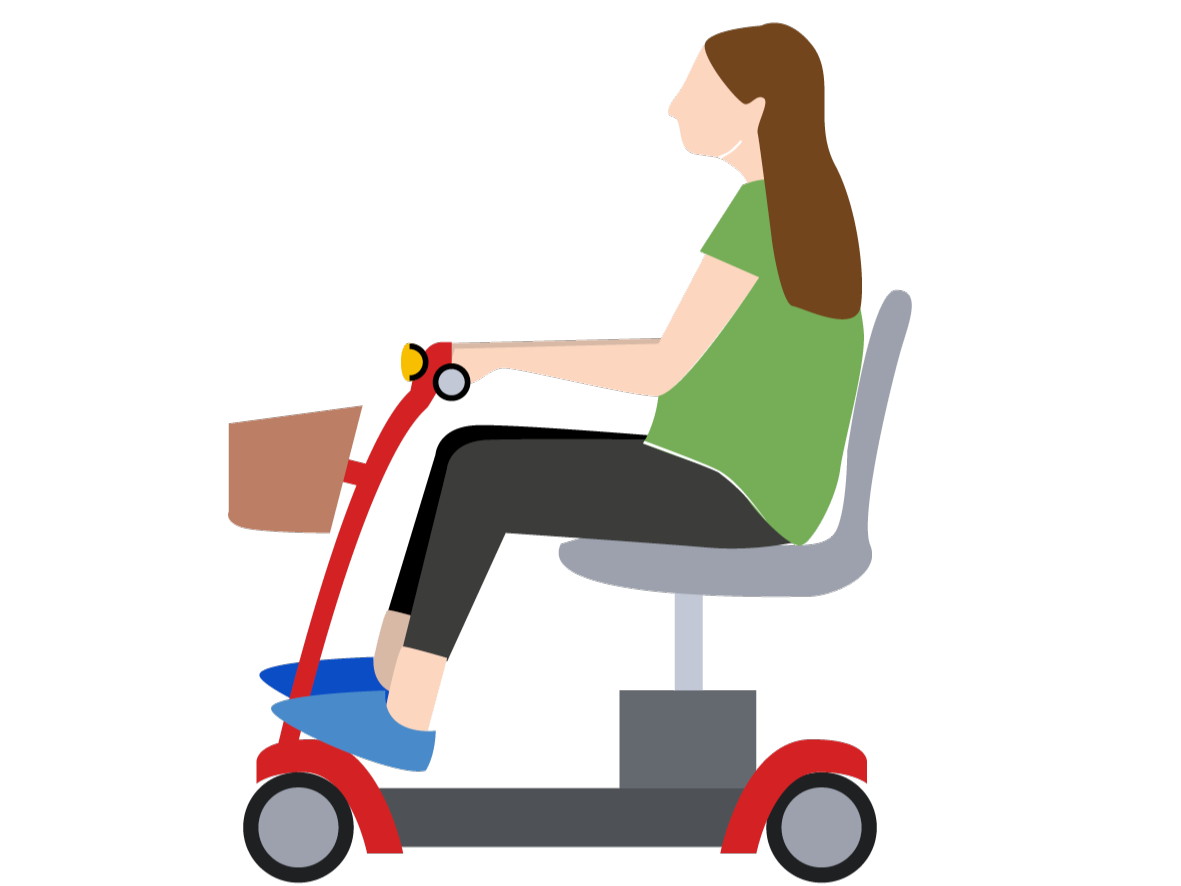
Being unable to afford a replacement battery for her motorised wheelchair made it harder for Catrin to get around. A grant helped her reduce stress and get where she needs to go.

Catrin(*) is in her 30s and lives on her own in a one-bedroom unit, which is small but meets her needs as someone who uses a wheelchair. Before moving into the unit, she was in emergency housing for safety from family disputes. Rent for the unit is more than Catrin can comfortably afford but it is her only option – it’s hard to find accommodation that meets her accessibility needs.      

Catrin’s financial situation is difficult. She receives a disability allowance from WINZ, and any costs outside of food and rent are hard to manage. When she needed to pay for essential equipment, WINZ referred Catrin to Good Shepherd to be assessed for a no-interest loan.  

The battery of Catrin’s motorised wheelchair had given up. Trips she could usually manage on her own needed to be replaced by expensive taxis. She was also relying on friends and family for transport to her volunteer work. An affordability assessment showed Catrin wouldn’t be able to keep up with loan repayments. The Good Shepherd team helped Catrin apply for a relief grant to cover the cost of a new battery for her chair.     

With her motor chair back in working order, Catrin can connect with her community, attend appointments and continue her volunteer and street appeal work. The grant also paid for a microwave and some storage containers to help Catrin live in her one-room unit with more comfort and independence.  

*name has been changed