Katy rebuilds her life and a safe home for her daughter

I was married for three years. When the relationship began, I had inherited $100K from my mother — money I had no idea would disappear so quickly. My husband wasn’t a New Zealander at the time we met, and I helped him get his residency.

This is Katy’s story, edited to keep her safe and help you read. Names have been changed.

I worked as a personal trainer, and many of my clients paid in cash. Throughout our relationship, money would go missing from my purse. He also used my credit card to buy things for himself without my knowledge and regularly sent money overseas for his first child.

When things weren’t going well for him, he would give me the silent treatment, start screaming or smashing things. Sometimes I had to leave the house with our daughter because it got too much. Over time, the abuse escalated to threats and physical harm.

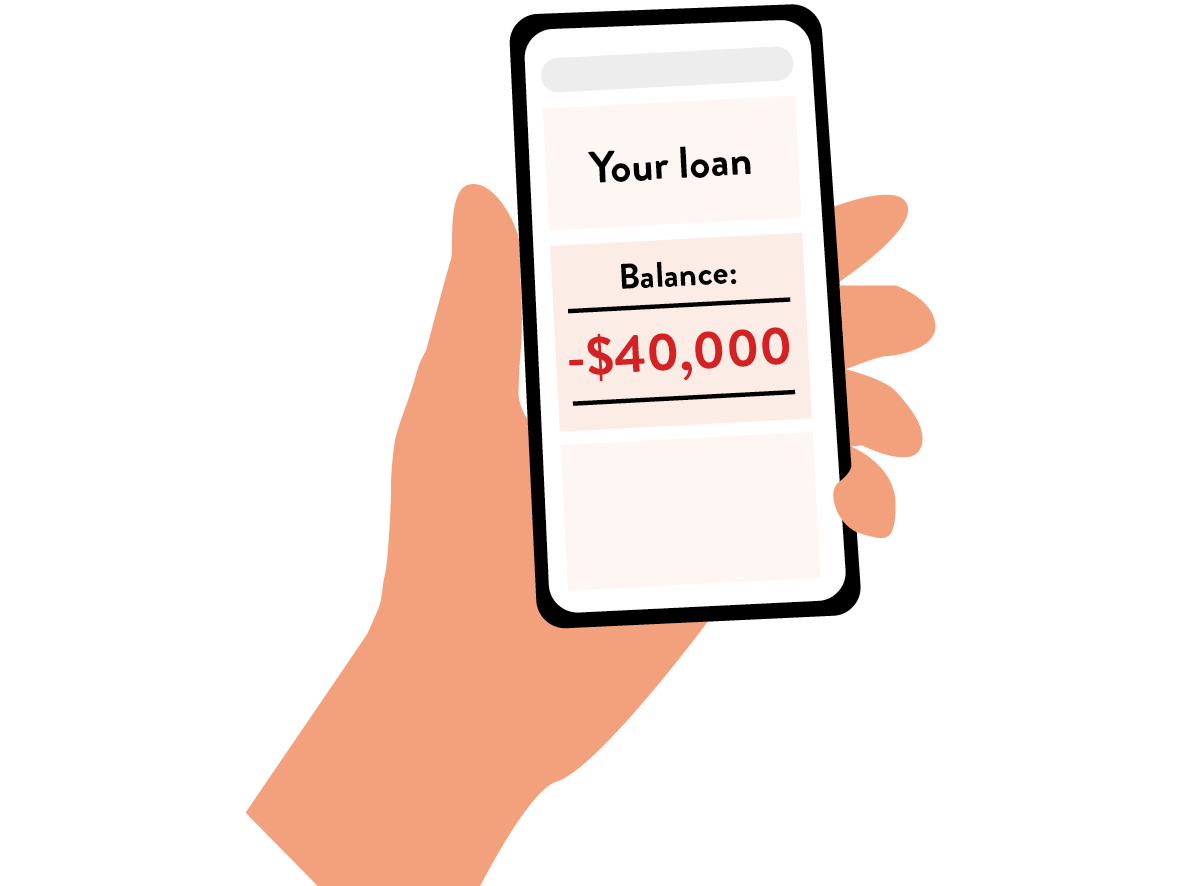
“Around two years ago, he decided to purchase a brand-new car and arranged an $80,000 loan through UDC Finance. What I didn’t know then was that he had taken out the entire loan in my name, without my knowledge or consent. He used my passport ID and even forged my signature. All the paperwork went to his email, so I didn’t know anything about it until much later.”

The repayments were extremely high, and we struggled to pay them. We had a joint account for household bills, but he would limit how much he put in. I ended up covering most of the rent, food, and our daughter’s daycare fees with my money. Things became harder and harder; eventually, he stopped paying the car loan altogether.

“One day, he told me to call UDC Finance and ask them to reduce the payments. I said I couldn’t because the loan was in his name — and that’s when he admitted it actually was in my name, as he had bad credit. I was shocked and devastated. When I asked him to fix it and remove my name, he constantly refused. Not long after, our relationship finally broke down.“

The day he left, I went to buy a $7 pizza for my daughter and me. My card declined. The man behind the counter quietly handed it to me and said, “Come back and pay when you can.” That same day, my ex drained the remaining money from our joint account.

About a month later, he returned and assaulted me. I was left bruised, terrified, and genuinely unsure if I would survive that night. It was one of the darkest moments of my life.

I was supported by Shine and the Police. I got a Protection Order, and the Police installed a Police Safety Alarm at my home.

While trying to recover emotionally and rebuild life as a single mum, I also had to deal with the financial damage he caused. UDC Finance advised that the loan was legally in my name and that if I wanted to keep the car, I would have to take responsibility for it – but he had the car, and I was scared of what he might do if payments weren’t made. He left me with debt, and I was struggling to afford food and basic living costs for myself and my daughter.

That’s when I found Good Shepherd and spoke with Vanessa. From our first conversation, she was kind, understanding, and genuinely wanted to help.

“She contacted UDC Finance on my behalf and managed to have the loan completely removed from my name. She also supported me with emergency funds for food when the final car payment came out of my account by mistake, leaving me with no money at all for groceries.”

Thanks to Vanessa and to Good Shepherd, that heavy debt and the constant anxiety finally lifted. I can now focus on rebuilding my life and creating a safe, stable home for my daughter.

I will always be deeply grateful for their support and compassion. Without them, I would still be trapped under that loan and the stress it created.

“Thanks to Vanessa and to Good Shepherd, that heavy debt and the constant anxiety finally lifted. I can now focus on rebuilding my life and creating a safe, stable home for my daughter.”
Judy opened up her world to the outdoors

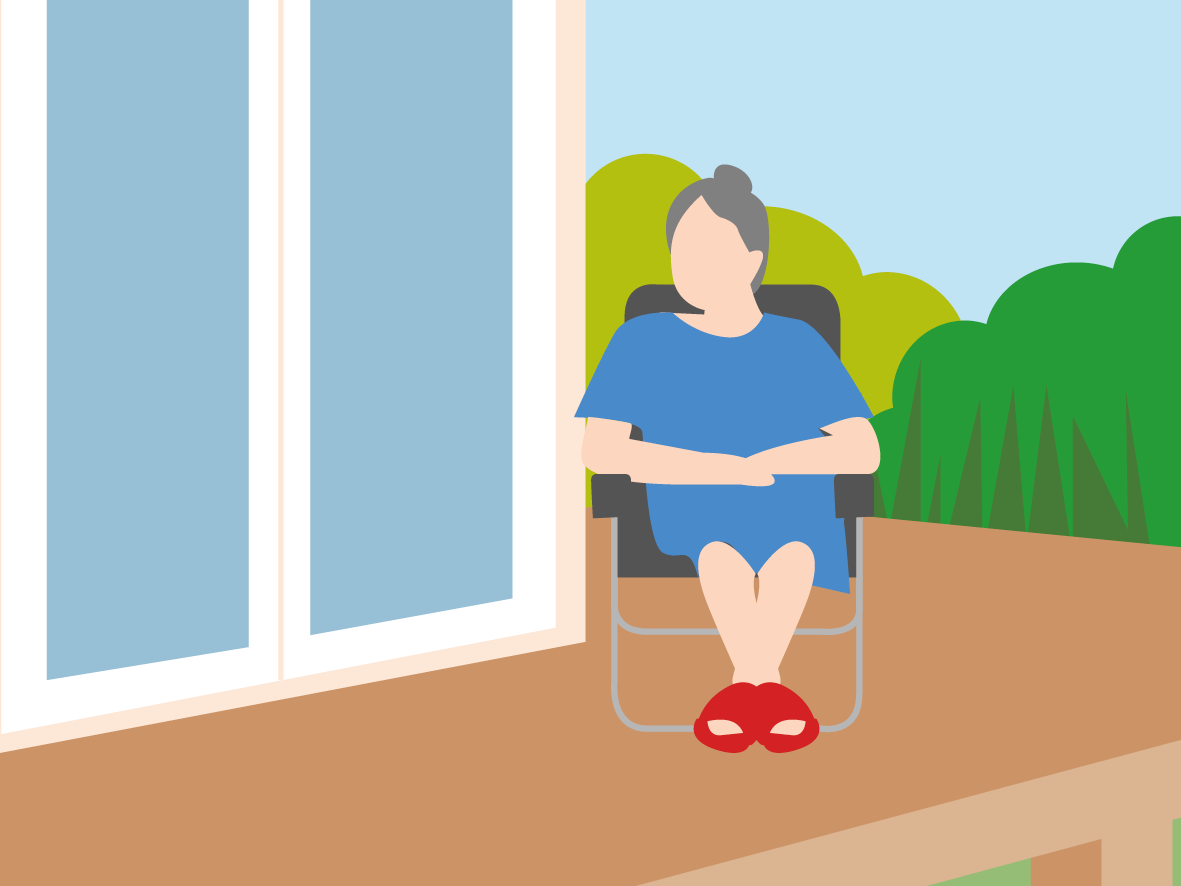
Being unable to make her small outdoor space safe for her mobility issues made it hard to access without high risk of a fall. A grant helped open Judy’s world up again, enabling her to enjoy some fresh air and sunlight.

Judy is a single, older woman, in supported living social housing with limited living space. She has mobility issues that mean travel is difficult and home is where she spends most of her time. Judy has a little outdoor space, but the ground is uneven, making it a high risk for falling and not safe to use.

Out of desperation, Jenny made a makeshift structure to provide some shelter. But this didn’t solve the safety risk, wasn’t legal and the social housing landlord said it needed to come down. However, at Judy’s request they provided special approval for her to install a small deck.

Judy approached a builder who agreed to do the work at a very reasonable price. But when she enquired about a loan, the numbers didn’t work and it was considered unaffordable.

Judy contacted Good Shepherd who recognised the safety risk to Judy and the impact a safe outdoor space could have on her overall quality of life and wellbeing.  A $1,100 grant helped install a small deck covered with a pergola for some shade.  

It transformed how she could make the best use of her home and enabled her to enjoy a cuppa in fresh air with some sunlight, safely. Jenny is over the moon, finally able to enjoy the space come rain or shine.

*name has been changed

Pam’s best friend settles into a new town 

Pam was frightened that not being able to afford her dog’s registration could see her canine companion taken away. A grant helped her register her dog and maintain her wellbeing.

Pam’s* housing is managed by Kāinga Ora. She had to move from one house to another during the Covid-19 pandemic, and has recently been moved again – this time to a new region.

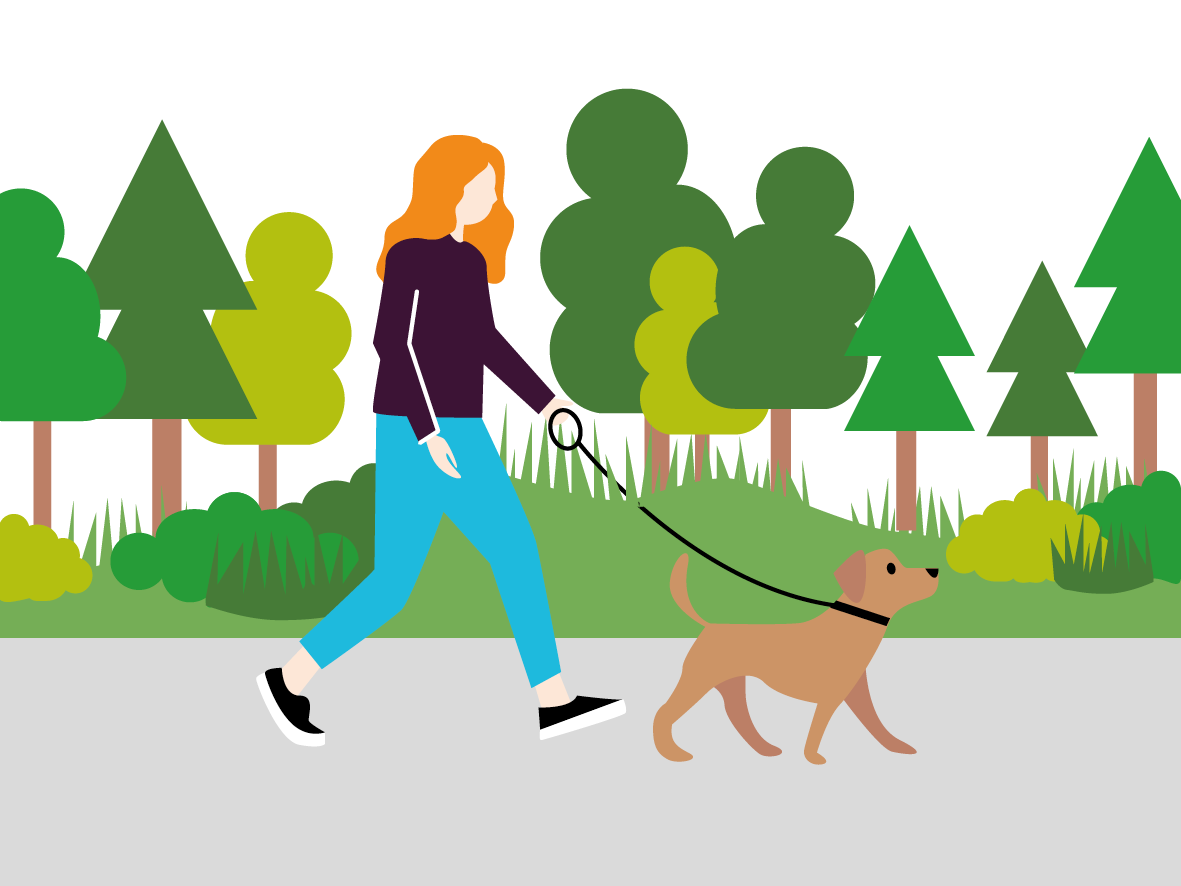
A past brain injury means Pam has issues with anxiety, which affect her more during times of change. Moving twice in the past few years has been hard, and Pam is grateful for the emotional support and companionship offered by her dog, who she describes as her ‘rock’.  

Pam reached out to Good Shepherd for a loan to cover the cost of registering her dog. Dog registration fees were higher in her new town. Pam couldn’t afford to pay the $110 registration and was worried about late payment fees which could take the total to $300. More than anything, she was afraid her dog might be taken away.

A Good Loan wasn’t an option for Pam because the amount she needed is less than the smallest loan offered. The team member supporting Pam explored options and was able to help her apply for a grant from the fund built up by people who support Good Shepherd through donations.

The grant was approved and Pam was ecstatic, noting the huge difference this small gesture will make in her life. With this relief, she now has the mental space to work through other matters impacting her financial situation.

*name has been changed

Olivia navigates emotional and financial challenge 

Support to review her financial situation and reduce debt taken on without her consent helped Olivia and her children get through a very tough time.

Olivia* and her two children were under a lot of emotional and financial stress following the sudden death of her husband, who took his own life.  

He had behaved abusively during the relationship – controlling their finances and taking out debts without Olivia’s knowledge or consent.   

Olivia was dealing with multiple creditors. She wasn’t sure if she was entitled to any support, and didn’t know how much debt was left under her own name or jointly. She contacted Good Shepherd for help.  

Our Family Violence Economic Harm support team helped Olivia to review her financial situation. They looked up her credit report to better understand any debt she wasn’t aware of and advocated for Olivia in dealings with three different banks. Through this process, Olivia learned of a joint account she didn’t know about, was able to extend a mortgage holiday with one bank, had $14,000 of unjust debt wiped by another, and a credit card debt of $1,800 waived by a third bank.  

Good Shepherd also supported negotiation with Olivia’s insurance company, energy provider, and district council. The resulting discounts and extended payment deadlines further eased pressure so Olivia could start taking control of her finances. Through contact with the Ministry of Social Development, Olivia is applying for an accommodation supplement and a grant to help cover her husband’s funeral costs. Good Shepherd liaised with the funeral director who provided the service to ensure outstanding payment would not be referred to debt collection.   

Olivia is moving forward with more confidence. She is attending grief counselling, pursuing the sale of her home, and regaining control over her bank accounts. Olivia and her children recently became New Zealand citizens – a significant milestone during a difficult period.  

*name has been changed

Bridget sets goals and makes them happen

Over a few years, Good Shepherd services have bolstered Bridget’s determination to improve her quality of life and be free of unmanageable debt.

Health issues were creating extra challenges for Bridget*. After a surgery, she wasn’t able to work and the mattress she was sleeping on was less comfortable.   

Money was tight. Bridget had some debt that was hard to manage. She and her family made use of Salvation Army food parcels, but walking to collect them was difficult. Bridget had been walking to pick up food parcels or shop for groceries for years. She didn’t have a car and sometimes relied on taxis or family for transport. She wanted a more straightforward way to get to appointments, do her shopping and take her kids to school when the weather was bad.  

Bridget had been working with a financial mentor to try and improve her financial situation. She applied for a no-interest car loan with Good Shepherd. She hadn’t needed a driver’s license before, so sat her license as part of her plan for independent transport. With her license passed and loan approved, Bridget bought her own car.       

Working alongside Good Shepherd and other social services, Bridget continued her efforts to regain control of her finances. Knowing a Good Loan was affordable for her, she sought help to consolidate her debt. A debt consolidation loan helped Bridget move her debt away from high-interest lenders and see her payments making more of an impact. 

Bit by bit, Bridget and her family unlocked opportunities and improved their lives. The Ministry of Social Development had provided the family with a fridge, and Bridget knew she could manage her budget better with a chest freezer. Extending her Good Loan allowed Bridget to buy a freezer, a couch and a bed.   

These items brought relief and benefits that rippled into other parts of life. Feeling better with a furnished house, Bridget enjoyed reconnecting with family, friends and grandchildren through hosting them at home. Being able to transport groceries and freeze food meant meals were more affordable and easier to plan. A bed helped Bridget sleep better and improve her mental and physical wellbeing. 

The options Bridget created through accessing no-interest loans have helped her reduce financial stress and build a happier, healthier life for her family.  

*name has been changed 

Supporting Jen to manage debt and start fresh

With a small grant and some help to reduce debt, Jen and her teenage daughter were able to move away from an abusive relationship and look ahead to better days.

When Jen* was diagnosed with a serious and life-changing tumour, the dynamic of her relationship with her partner shifted. He took control of their finances including the support payment she received due to being unable to work. He would not allow Jen to access any money.   

His psychological abuse worsened over time. He wouldn’t let Jen buy anything or drive their car. Jen was forbidden from seeing her friends. With no access to money, Jen got a credit card and kept a bank account hidden from her partner.     

More than ten years passed before Jen was able to leave the relationship. She moved into a one-bedroom flat with her teenage daughter, and was determined to help them both live safely. Jen contacted Good Shepherd to enquire about a loan, but repayments would not be affordable on top of everyday expenses and paying back debt. Good Shepherd’s family violence economic harm support service was able to assist Jen by negotiating with her bank to wipe $7,500 of debt built up during her relationship.    

In their new flat, Jen and her daughter were sharing a bed. They were relieved to have a stable home but it was hard for the two of them to find space. Jen had recently had a surgery which made sleeping in the same bed more challenging. Good Shepherd sought help for Jen from a service that provides furniture for people setting themselves up after leaving abusive relationships. It was hoped they could provide a fold-out couch, but they weren’t able to help this time. The team member supporting Jen applied for a Good Shepherd grant to cover the cost of some furniture.  

With a $300 grant, Jen brought a second-hand kettle, reclining chair and fold-out couch. She and her daughter set up a flexible bedroom space in the lounge. Jen noted the flat now feels much more like a home. In an email, she says: 

“Moving into a new home can be overwhelming, but your help made it feel possible.” 

“It may seem like a small thing, but to us, it’s huge. Your kindness and generosity have brought us both comfort and a fresh start, and we’re so grateful.” 

*name has been changed for safety 

Helping Hannah escape eviction

Hannah’s life and wellbeing were affected by family violence in many ways. She was behind on rent and facing eviction. A grant set her on a different path.

Hannah’s* life and wellbeing were affected by family violence in many ways, including ongoing symptoms of multiple concussions from physical abuse and significant financial challenges due to economic harm.

She contacted Good Shepherd to ask about a loan when she was behind in rent. Hannah’s landlord had served an eviction notice. 

Hannah was working part time and had recently secured a full-time job after building up her physical and psychological capacity to take on more work. This was a recovery milestone for Hannah and would really improve her financial situation. With the new job due to start in two weeks, she could not afford to lose the safety and stability of her home. Without somewhere to live she would likely need to resign. 

We were not able to approve a loan for Hannah because it would be unaffordable. Her experience fleeing family violence had left her with $97,000 owed to government agencies. She was on a repayment plan that would take over 200 years for the debt to be repaid. 

Considering Hannah’s circumstances, we were able to provide a grant for her to pay rent arrears, keep her in her home and keep her recovery on track. We continue to work alongside Hannah and her financial mentor as she rebuilds her life. 

* name has been changed for safety.