Research: The impact of Good Shepherd’s services in 2025/26

This report describes the impact our services and support had for people working through financial harm and hardship, between July 2025 and June 2026.
We conducted research with almost 300 clients to hear what they had to say about the support we provided and the impact it had on their lives. 

The research found that not only did our services make an immediate difference in the lives of clients experiencing financial hardship and family violence, but the improvements to clients’ wellbeing were sustained.  

Clients said they were more likely to have enough money to meet every day needs and have money left over at the end of the month; more likely to feel in control of their finances and confident about their financial future; more hopeful for the future; and more satisfied with life. 

Thank you to our amazing clients for continuing to contribute your feedback to this ongoing research. We will keep using what we learn to improve our services.

Report: Housing pathways for older women living alone

This report maps out the common pathways through which housing pressures build for single older women over time.

As a companion piece to Good Shepherd’s Housing Challenges of Older Women Living Alone report (December 2025) this report describes four pathways – rental pressure, home ownership strain, relationship or asset loss, and system support breakdown – alongwith the shared pressures, turning points and outcomes women experience.

The report highlights where timely, practical, and compassionate support can shift these outcomes and help women age well at home.

Report: Defining dignified income

Today we’re releasing our latest policy paper, “Defining dignified income”. We use the term ‘dignified income’ to describe income that is more than just enough to scrape by – it allows for women to live fulfilled lives.

This paper explores the issues preventing women from receiving equitable employment outcomes and breaks down how we define dignified income to better understand the factors which support women’s financial outcomes.

Report: Social return on investment for GSNZ services  

Over the last few months, Good Shepherd NZ has been working alongside MartinJenkins to calculate the social return on investment for two of our services.

These reports calculate the social return on investment for our Good Loans and Family Violence Economic Harm Support services.

The independent analysis found that our services deliver incredible social good for New Zealanders – between $3.40 and $11.80 generated for every dollar spent.

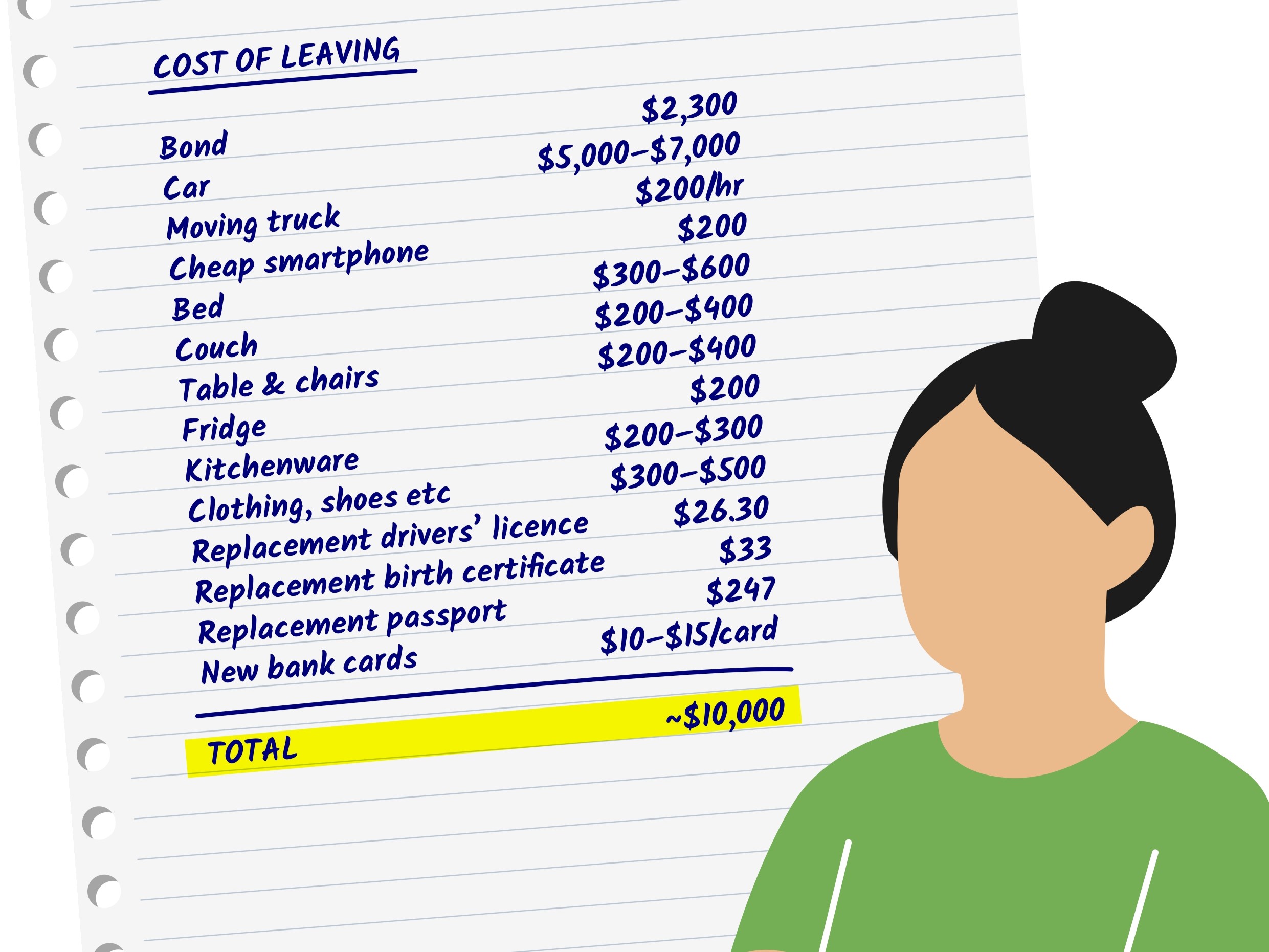
Report: Financial barriers to exiting abusive relationships

This report covers how financial barriers prevent women from leaving abusive relationships.

This report pulls together information from our client research with academic and cross-sector findings to tell a story about the financial challenges facing women when they try to leave an abusive relationship. 

Paper: Issues facing women experiencing harm and hardship

This paper pulls together research and data from several sources and serves as a point in time view of how different factors come together to disadvantage women in New Zealand.

The paper focuses on the key financial and economic challenges that women are facing. It shows that while there is important work being done by the community, philanthropic and government sectors, there is still significant need for change. Women continue to face worse financial outcomes and remain vulnerable to harm and hardship.

Research: The impact of GSNZ financial wellbeing services

This report examines the difference we’re making for people working through financial harm and hardship.

The report analyses the experiences and perspectives of over 100 Good Shepherd clients. The results of this research show that, together with our partners, Good Shepherd is helping people navigate significant challenges and improve their financial wellbeing — and we’re on course to continue making a sustained positive impact. Thank you to our amazing clients for contributing your feedback to this research. We will use what we learn to continue improving our services.

Report: International responses to
economic abuse

Key international developments in response to economic abuse over 12 – 18 months across six participating countries: Australia, Canada, Israel, New Zealand, South Africa and the United Kingdom.

Woman thinking at her computer

This report outlines key international developments in response to economic abuse over 12 – 18 months across six participating countries: Australia, Canada, Israel, New Zealand, South Africa and the United Kingdom.

It highlights the actions governments, corporations and other community organisations are taking to make a difference for victim-survivors of this lesser-known form of family violence.

Snapshot: Economic harm from family violence

This snapshot underlines a shift to support better outcomes for New Zealanders experiencing economic harm.

A lack of financial independence, and dealing with the impact of economic harm, are cited as key reasons people stay in violent relationships or are unable to overcome the enduring effects of abuse and establish a life free from family violence. 

Family violence is pervasive and deeply damaging to whānau and communities across Aotearoa. It is one of our greatest shames accounting for more than 40% of a frontline police officer’s time and affecting one in two New Zealand women over the course of their lifetime. 

With statistics like these, it is not possible for one part of our community to effect change by itself – it requires a societal shift driven by collaboration across businesses, government, social services and others. Tackling economic harm is a critical component of this shift, and there are steps we can take towards this in our roles as employers, policymakers and providers of goods and services for New Zealanders.

This snapshot includes the type of work and progress being made, and the role organisations and individuals can play in eliminating family violence in Aotearoa New Zealand.

Report: Family violence economic harm pilot

A brief insight into the issues observed in the first six-months of our Economic Harm Support Service pilot.

Woman with red dyed hair

This Good Shepherd New Zealand interim report provides a brief insight into the issues observed in the first six months of our Economic Harm Support Service pilot. It includes:

  • Areas where we believe our clients are affected by the unintended consequences of government and financial sector policies and processes.
  • Suggested actions to improve outcomes for victims of economic harm.